


5 Tips to Maintain and Clean Your OTC Hearing Aids and Extend Their Lifespan
Aug
At AudioTok, we know that investing in an OTC hearing aid is an important step toward improving your quality of life. To protect that investment and ensure your devices perform optimally for as long as possible, regular maintenance is key. The buildup of earwax, moisture, and dust is the main enemy of any hearing aid.
Follow these 5 simple but essential tips to maintain and clean your over-the-counter hearing aids and keep them in perfect condition.
1. Daily Routine: Surface Cleaning with a Dry Cloth
Goal: Remove dust, skin oil and surface particles.
- How to do it: At the end of the day, before storing them, gently wipe the entire surface of the hearing aid with a soft, dry microfiber cloth (like the one you use to clean your glasses).
- Why it matters: This simple action removes debris that can clog microphones or grilles and prevents dirt from entering internal components. Never use chemical cleaning products, alcohol or water directly onto the device, as this may irreversibly damage the casing and electronic circuits.
2. Deep Cleaning: Beware of Grates and Holes
Goal: Remove earwax and dirt that has accumulated in critical areas.
- How to do it: Use the cleaning tools that are usually included in OTC hearing aid kits:
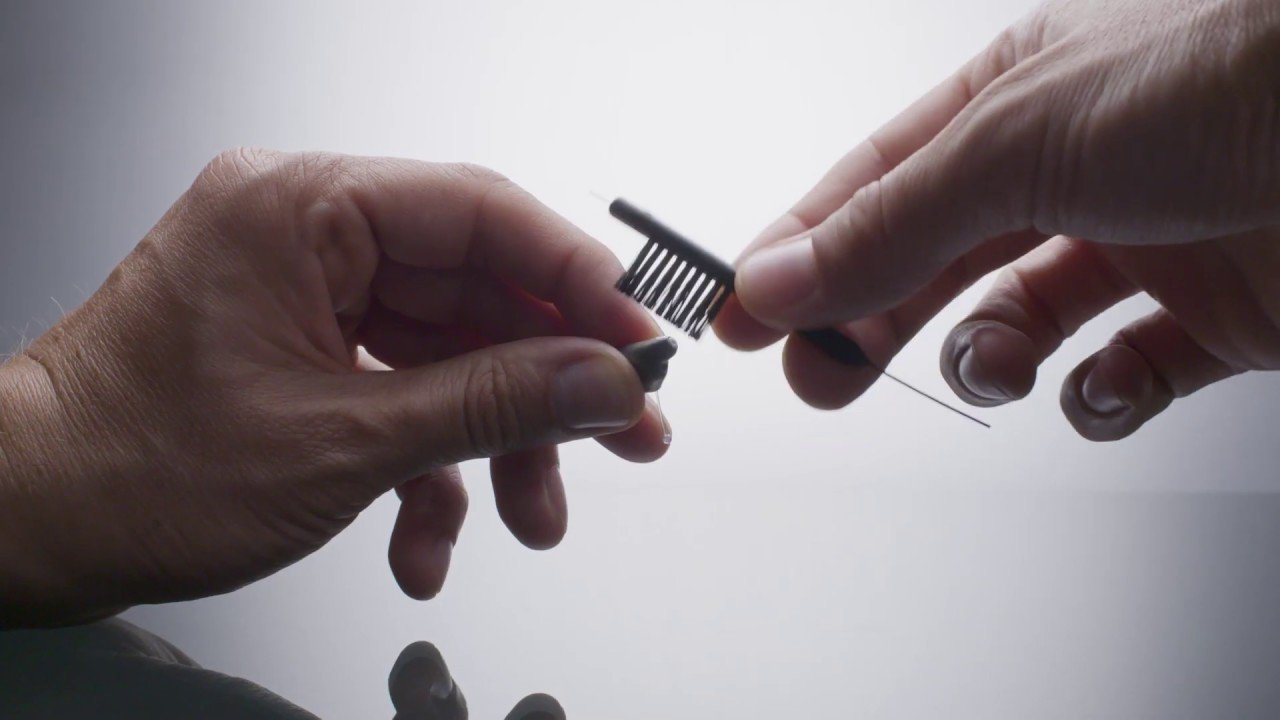
- Cleaning brush: Use it dry to gently brush the microphone grilles and the receiver (where the sound comes out). Always do this on a soft surface to avoid damage if you drop it.
- Cereum extractor (if your model allows): Some models have removable screens. Use the hook-shaped tool to carefully remove excess wax.
- Why it matters: Blocked earwax is the number one cause of poor hearing (weak or distorted sound). Regular cleaning of these areas ensures that the sound comes out clean and clear.
3. Protection Against Humidity: Your Worst Invisible Enemy
Goal: Prevent moisture from sweat or air from damaging the internal circuits.
- How to do it:
- Always dry them: After exercising or being in a humid environment, clean them with the dry microfiber cloth.
- Store them correctly: Use a storage case with desiccant tablets or a drying kit. These cushions absorb residual moisture overnight. Never store wet hearing aids in a sealed case.
- Avoid direct water sources: Remove them before showering, bathing, or swimming.
- Why it matters: Condensation and humidity are the primary causes of corrosion in microscopic electronic components, which can significantly reduce the device's lifespan.
4. Proper Storage: Safety and Protection
Goal: Protect them from bumps, extreme temperatures, and pets when not in use.
- How to do it:
- Always in its case: When not in use, store them immediately in their original shock-resistant case.
- Cool, dry place: Choose a location away from direct heat sources (such as radiators or sunlight from a window) and extreme cold. The bathroom, due to humidity fluctuations, isn't the best place.
- Out of reach of children and pets: For them, small hearing aids may seem like toys. Always putting them away prevents costly accidents.
- Why it matters: Proper storage prevents physical damage and protects sensitive components from adverse environmental conditions.
5. Periodic Reviews: Prevention is Wisdom
Goal: Detect potential problems before they become serious.
- How to do it:
- Check the batteries: If your hearing aids use batteries, make sure they're not oxidized. If they're rechargeable, clean the charging contacts with a dry cloth.
- Check the sound: Listen regularly to see if the sound is clear or if you notice any intermittent noise, which could indicate internal dirt or a connection problem.
- Why it matters: A quick weekly check will alert you to emerging problems, allowing you to take action in a timely manner, whether with a more thorough cleaning or contacting technical support if necessary.
Which NEVER you must do:
- Never immerse your hearing aids in water or liquids.
- Never use sprays, solvents or alcohol to clean them.
- Never attempt to repair them yourself; leave it to professionals.
- Avoid leaving them in the sun or in the car on a hot day.
Conclusion
Dedicate only a couple of minutes a day following these maintenance practices can make a huge difference. Not only will you extend the life of your OTC hearing aids, saving you money in the long run, but you'll also ensure they always deliver the best sound performance.
Do you have questions about the care of your specific model? At AudioTok, we are here to help you. Visit our frequently asked questions section or contact us to receive personalized advice.
Take care of your ears and take care of your hearing aids!